Edge Computing vs. Traditional Cloud: Where Should You Deploy?
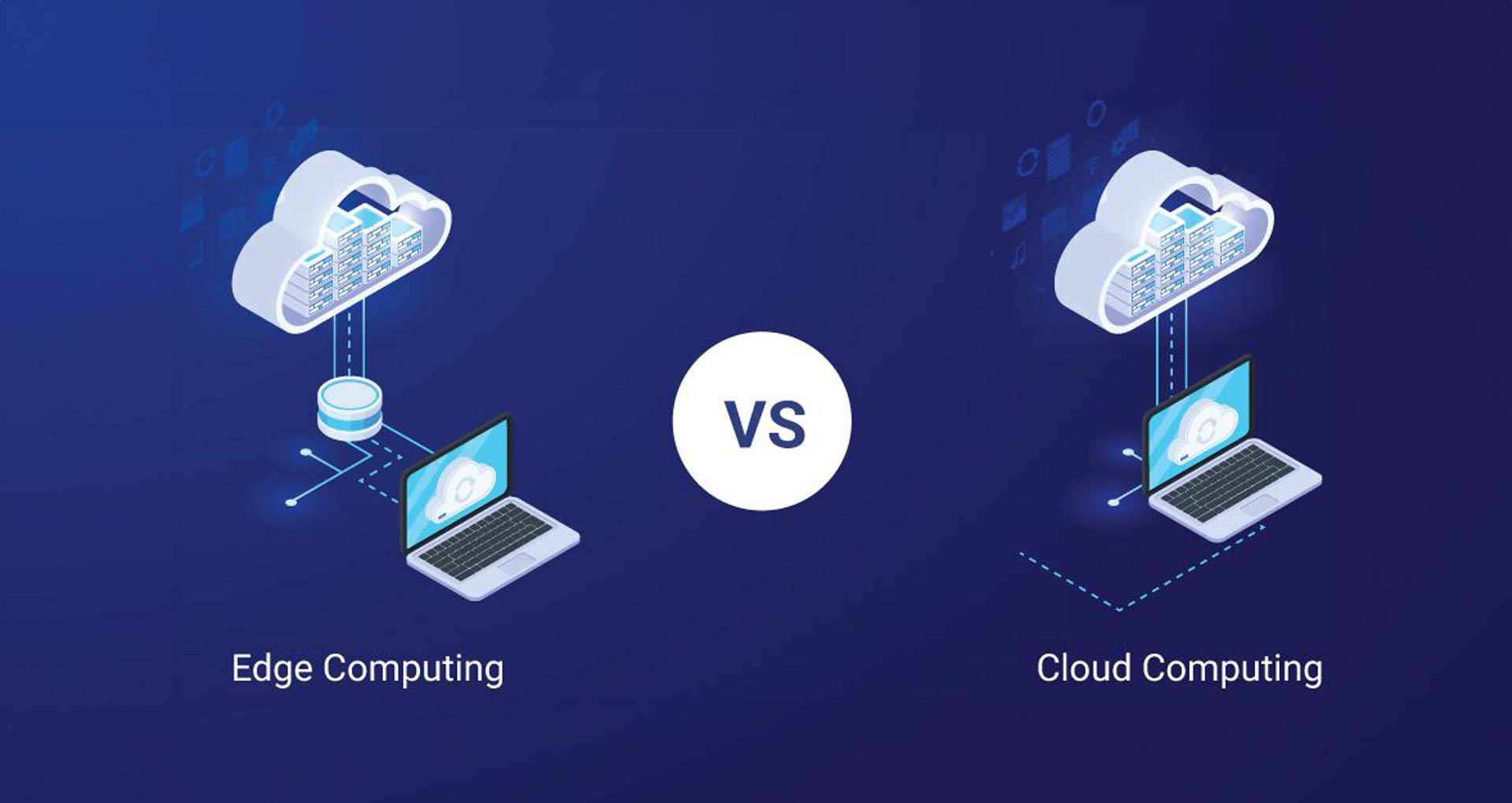
For decades, the cloud meant one thing: your code lived in a massive data center in Virginia, Ireland, or Tokyo. But the rise of IoT, real-time gaming, and instant-response AI has exposed the limits of centralized computing. Today, the debate is no longer about *if* you should use the cloud, but *where* in the cloud your code should live.
What exactly is the "Edge"?
The Edge isn't a specific place; it's a philosophy of decentralization. While traditional cloud hosting (like AWS EC2 or Google Compute Engine) relies on a few dozen massive regions, Edge computing relies on thousands of smaller "Points of Presence" (PoPs). When you deploy a function to the edge, it is replicated across the globe instantly. When a user in Buenos Aires visits your site, the code runs in a data center in Buenos Aires, not in a region 5,000 miles away.
The Latency Advantage
The speed of light is the ultimate speed limit of the internet. No matter how optimized your code is, a packet of data can only travel so fast. Centralized cloud hosting typically sees "Round Trip Times" (RTT) of 100–300ms. Edge computing can bring that down to sub-20ms. For modern web applications, this difference is the difference between a "native-feeling" app and a "laggy" website.
When Traditional Cloud Wins
With all the hype around Edge, you might think traditional hosting is dead. Far from it. Traditional cloud hosting excels in three areas: **Computational Power, Long-Running Tasks, and Cost Stability.**
Edge functions (like AWS Lambda@Edge or Vercel Functions) are usually constrained by strict execution time limits and memory caps. If you need to render a complex 3D video, train a machine learning model, or run a heavy SQL report that takes 2 minutes to compile, the Edge will fail you. Traditional Virtual Machines (VMs) offer raw power and persistent state that the Edge cannot match. Furthermore, for predictable, high-volume traffic, a dedicated server or a large-scale Kubernetes cluster is often significantly cheaper than paying for billions of tiny edge execution invocations.
Data Sovereignty and Security
Compliance is another factor. Certain regulations (like GDPR) require that data stays within specific borders. While Edge providers are getting better at "Regional Isolation," it is often much easier to prove compliance when you know your data is sitting in a specific, locked-down server rack in a specific city. For high-security government or financial apps, the "black box" nature of global edge distribution can be a regulatory hurdle.
The 2026 Hybrid Approach
The most successful tech stacks today don't choose one or the other—they use both. We call this the **Hybrid Deployment Model**. The frontend and API gateway live at the Edge, providing instant responses and basic validation. If a request requires heavy processing, the Edge function acts as a "smart proxy," passing the task back to a centralized cloud region where the heavy lifting happens.
At NextForgeHub, we recommend auditing your user base geographically. If 90% of your users are in one city, traditional cloud is fine. If they are scattered across continents, an Edge-first strategy is no longer optional—it's a requirement for survival.